01
Upload authorized footage
Add the video you own or have permission to edit.
 Open Wipe AI watermark remover
Remove a visible watermark without cutting off the frame. Compare AI inpainting, tracked patches, source re-export, replacement graphics, and blur.
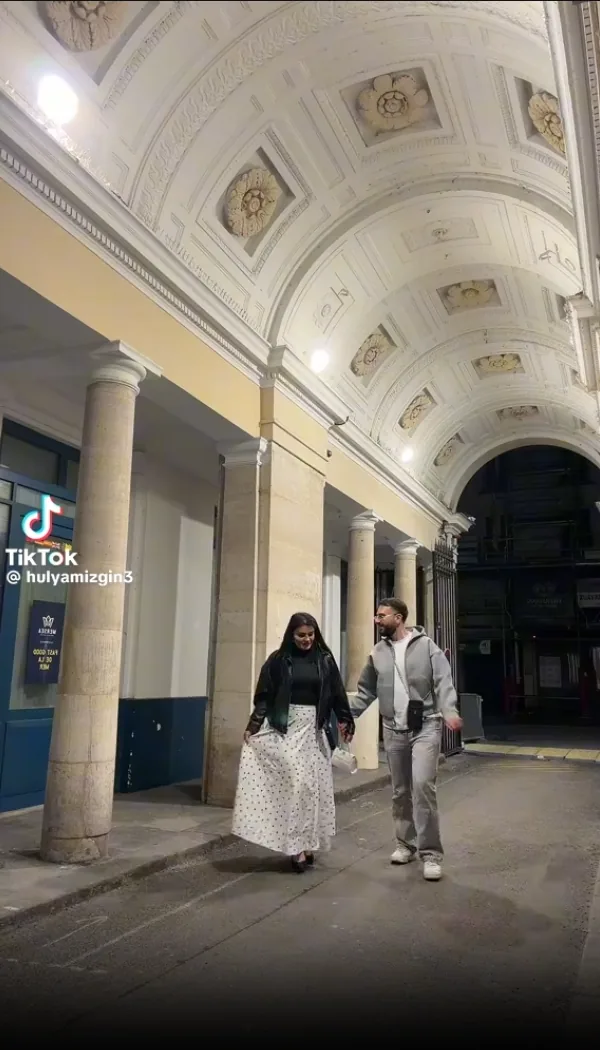
The call to action opens the new Wipe AI dashboard directly with Watermark Remover selected.
Add the video you own or have permission to edit.
Place a tight box over the visible mark and set its active seconds.
Review edges, motion and scene changes before downloading.
This is useful when a corner crop would cut off a subject, product, caption, interface element, or composition that must remain inside a fixed social-media aspect ratio.
Draw the smallest region that includes the full visible mark and its shadow. Track movement when needed, preview the most complex frames, and compare the result at normal playback speed and frame-by-frame.
Avoiding a crop preserves composition but increases reconstruction. Large or central marks may leave more artifacts than a slight reframing would.
This is useful when a corner crop would cut off a subject, product, caption, interface element, or composition that must remain inside a fixed social-media aspect ratio.
Draw the smallest region that includes the full visible mark and its shadow. Track movement when needed, preview the most complex frames, and compare the result at normal playback speed and frame-by-frame.
Avoiding a crop preserves composition but increases reconstruction. Large or central marks may leave more artifacts than a slight reframing would.
Use a subtle reframing, tracked clean plate, new graphic, blurred edge extension, or clean re-export. Choose the least destructive method for the final viewing context.
Watch the result once at normal speed, once at half speed, and then inspect scene changes frame by frame. Look for flicker, repeated texture, warped straight lines, softened faces, color shifts, and compression around the selection. If the difficult frames fail, reduce the region, split the timeline into scenes, or choose a source-first alternative.
To preserve the full frame, use the clean source or reconstruct only the marked region. AI inpainting avoids changing the aspect ratio, but it estimates the hidden background and should be previewed carefully. Only process videos you own, license, or have permission to edit.
No. Inpainting estimates pixels that are not visible. A clean source or editable project preserves the real background and should be the first choice.
Test a short, difficult section first. Check the result at normal speed and frame by frame before spending credits on a long file.
No. Technical editing does not change copyright, licensing, attribution, privacy, or platform obligations.
Simple backgrounds are easier. Faces, hands, reflections, detailed textures and fast camera movement should be tested on a short clip first.
To preserve the full frame, use the clean source or reconstruct only the marked region. AI inpainting avoids changing the aspect ratio, but it estimates the hidden background and should be previewed carefully. Only process videos you own, license, or have permission to edit.
No. Inpainting estimates pixels that are not visible. A clean source or editable project preserves the real background and should be the first choice.
Test a short, difficult section first. Check the result at normal speed and frame by frame before spending credits on a long file.
No. Technical editing does not change copyright, licensing, attribution, privacy, or platform obligations.
Open the new dashboard, add one or more selections and process authorized footage.
Open Wipe AI watermark remover