01
Upload authorized footage
Add the video you own or have permission to edit.
 Open Wipe AI watermark remover
Compare static corner marks with animated or bouncing watermarks. Learn when a fixed mask works and when per-frame tracking is required.
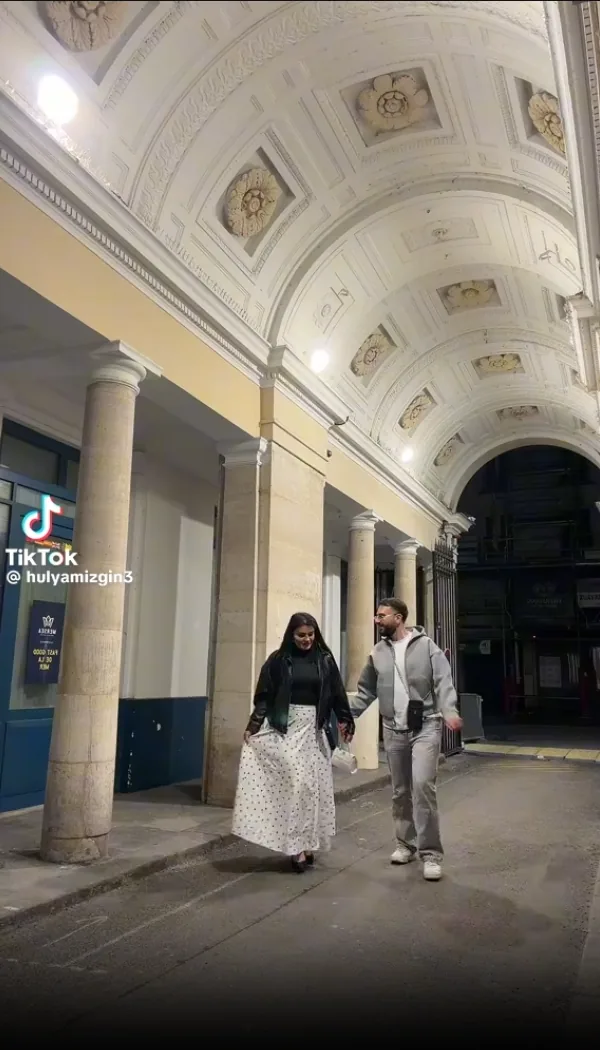
The call to action opens the new Wipe AI dashboard directly with Watermark Remover selected.
Add the video you own or have permission to edit.
Place a tight box over the visible mark and set its active seconds.
Review edges, motion and scene changes before downloading.
The classification helps users choose the correct mode before processing an authorized TikTok, editor export, broadcast graphic, or creator-owned branded video.
Scrub the entire timeline and note every position. Watch for fade-ins, bouncing corners, animated logos, scene-specific marks, and layout changes. Split the clip when the behavior changes.
A mark can look static during a short preview but move after a scene cut. Using one large mask for every possible position damages far more of the frame than necessary.
The classification helps users choose the correct mode before processing an authorized TikTok, editor export, broadcast graphic, or creator-owned branded video.
Scrub the entire timeline and note every position. Watch for fade-ins, bouncing corners, animated logos, scene-specific marks, and layout changes. Split the clip when the behavior changes.
A mark can look static during a short preview but move after a scene cut. Using one large mask for every possible position damages far more of the frame than necessary.
Re-export clean, trim branded sections, create multiple time-limited masks, or replace an obsolete moving logo with a new authorized animation.
Watch the result once at normal speed, once at half speed, and then inspect scene changes frame by frame. Look for flicker, repeated texture, warped straight lines, softened faces, color shifts, and compression around the selection. If the difficult frames fail, reduce the region, split the timeline into scenes, or choose a source-first alternative.
A static watermark stays in one region and can use a fixed mask. A moving watermark changes position, scale, rotation, or opacity, so it needs tracking or per-frame detection to avoid altering clean areas. Only process videos you own, license, or have permission to edit.
No. Inpainting estimates pixels that are not visible. A clean source or editable project preserves the real background and should be the first choice.
Test a short, difficult section first. Check the result at normal speed and frame by frame before spending credits on a long file.
No. Technical editing does not change copyright, licensing, attribution, privacy, or platform obligations.
Simple backgrounds are easier. Faces, hands, reflections, detailed textures and fast camera movement should be tested on a short clip first.
A static watermark stays in one region and can use a fixed mask. A moving watermark changes position, scale, rotation, or opacity, so it needs tracking or per-frame detection to avoid altering clean areas. Only process videos you own, license, or have permission to edit.
No. Inpainting estimates pixels that are not visible. A clean source or editable project preserves the real background and should be the first choice.
Test a short, difficult section first. Check the result at normal speed and frame by frame before spending credits on a long file.
No. Technical editing does not change copyright, licensing, attribution, privacy, or platform obligations.
Open the new dashboard, add one or more selections and process authorized footage.
Open Wipe AI watermark remover