01
Upload authorized footage
Add the video you own or have permission to edit.
 Open Wipe AI watermark remover
Understand what determines watermark removal quality: size, position, opacity, motion, background detail, compression, frame rate, and selection accuracy.
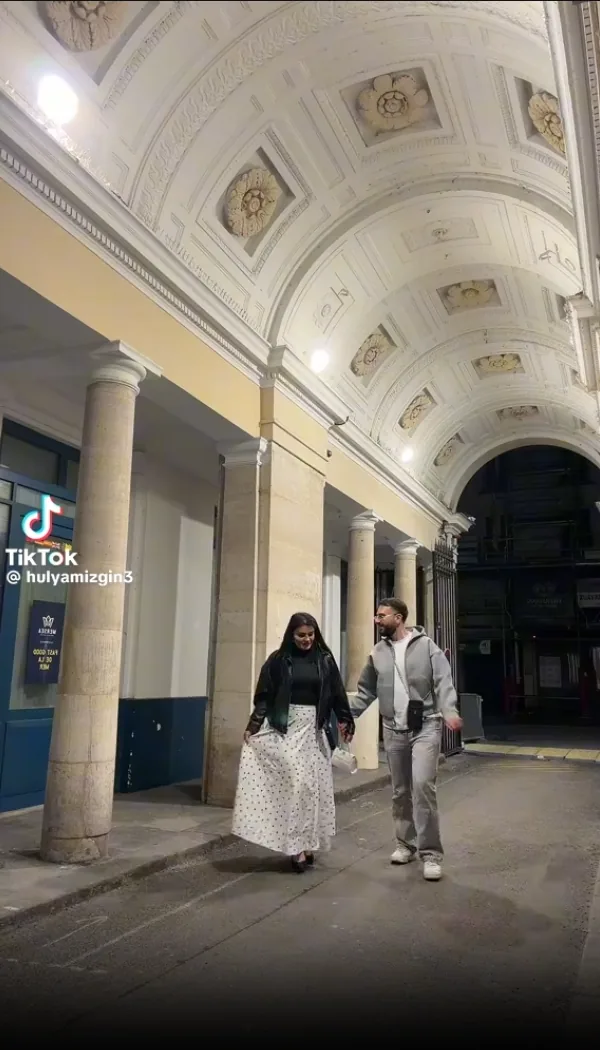
The call to action opens the new Wipe AI dashboard directly with Watermark Remover selected.
Add the video you own or have permission to edit.
Place a tight box over the visible mark and set its active seconds.
Review edges, motion and scene changes before downloading.
Use this guide to estimate difficulty, choose a representative preview range, and avoid spending processing credits on footage that needs a clean source or manual compositor.
Score the clip on overlay size, edge softness, motion, background complexity, camera cuts, compression artifacts, and subject overlap. Test the hardest five seconds—not the easiest opening frame.
Resolution alone does not determine success. A sharp 4K clip with a large mark across a face can be harder than a compressed 720p clip with a small corner logo.
Use this guide to estimate difficulty, choose a representative preview range, and avoid spending processing credits on footage that needs a clean source or manual compositor.
Score the clip on overlay size, edge softness, motion, background complexity, camera cuts, compression artifacts, and subject overlap. Test the hardest five seconds—not the easiest opening frame.
Resolution alone does not determine success. A sharp 4K clip with a large mark across a face can be harder than a compressed 720p clip with a small corner logo.
Use a clean export, tracked patch, replacement graphic, crop, or reshoot. Professional manual cleanup is appropriate when the video has commercial value and artifacts are unacceptable.
Watch the result once at normal speed, once at half speed, and then inspect scene changes frame by frame. Look for flicker, repeated texture, warped straight lines, softened faces, color shifts, and compression around the selection. If the difficult frames fail, reduce the region, split the timeline into scenes, or choose a source-first alternative.
The best results come from small, opaque, stable overlays on predictable backgrounds. Quality falls as the hidden area grows, the background becomes more complex, or the watermark moves and changes opacity. Only process videos you own, license, or have permission to edit.
No. Inpainting estimates pixels that are not visible. A clean source or editable project preserves the real background and should be the first choice.
Test a short, difficult section first. Check the result at normal speed and frame by frame before spending credits on a long file.
No. Technical editing does not change copyright, licensing, attribution, privacy, or platform obligations.
Simple backgrounds are easier. Faces, hands, reflections, detailed textures and fast camera movement should be tested on a short clip first.
The best results come from small, opaque, stable overlays on predictable backgrounds. Quality falls as the hidden area grows, the background becomes more complex, or the watermark moves and changes opacity. Only process videos you own, license, or have permission to edit.
No. Inpainting estimates pixels that are not visible. A clean source or editable project preserves the real background and should be the first choice.
Test a short, difficult section first. Check the result at normal speed and frame by frame before spending credits on a long file.
No. Technical editing does not change copyright, licensing, attribution, privacy, or platform obligations.
Open the new dashboard, add one or more selections and process authorized footage.
Open Wipe AI watermark remover