
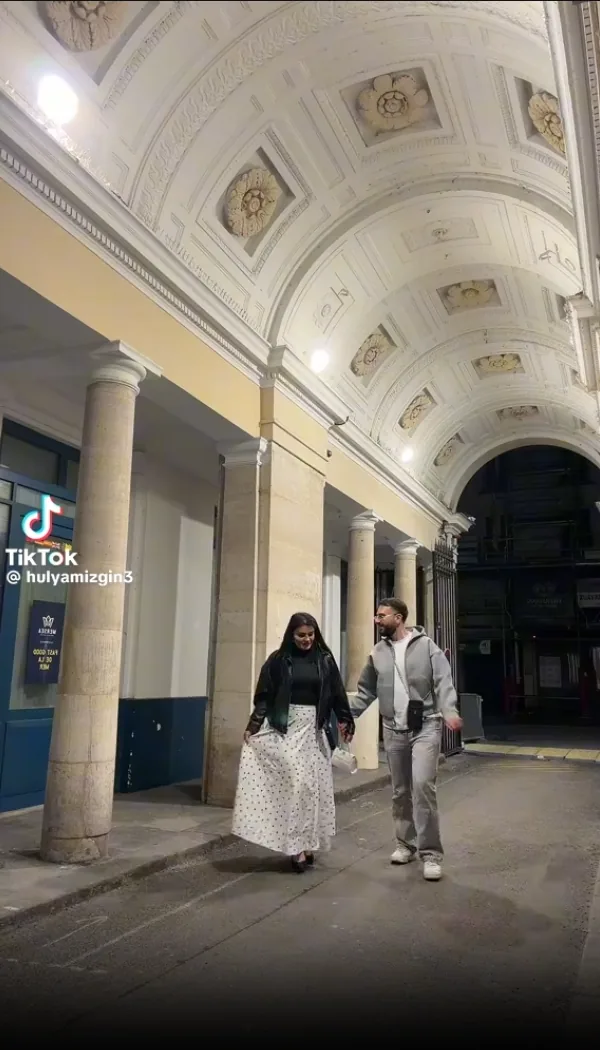
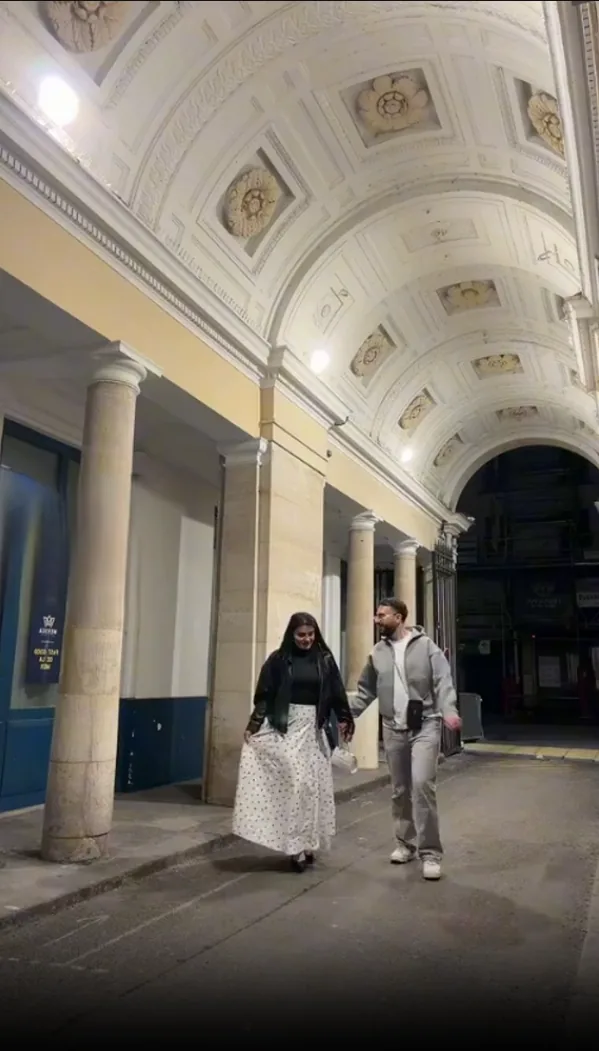
Step-by-step workflow
- Start with the highest-quality file and confirm you may edit the location tags.
- Look for a clean source because remove the sticker in the source project or crop only when the framing remains acceptable.
- Upload the video file to Wipe AI.
- Choose manual selection for a sticker or text detection for a simple label.
- Preview a short section that includes motion and detailed background.
- Tighten the selected area if clean pixels are being changed, then process and download.
Why are location tags difficult to erase?
Semi-transparent stickers can reveal a complex moving background through the overlay. AI inpainting works frame by frame, using nearby color, texture, and motion to estimate the hidden background.
When is this workflow useful?
A common authorized use is protecting location privacy in footage you own or correcting an outdated venue label. Examples include city labels, venue stickers, map text, coordinates, and check-in overlays.
Best alternative: Remove the sticker in the source project or crop only when the framing remains acceptable.What quality should you expect?
Small overlays on simple, slowly changing backgrounds are generally easier than large overlays across faces, hands, particles, reflections, or fast camera motion. Wipe AI outputs an H.264 MP4 up to 1080p. Test a short representative segment before spending credits on a long video.
Authorized use: Remove visible elements only from videos you own, license, or have permission to edit. Wipe AI does not grant rights to third-party footage or assets.